Most People Get Headstand Completely Wrong
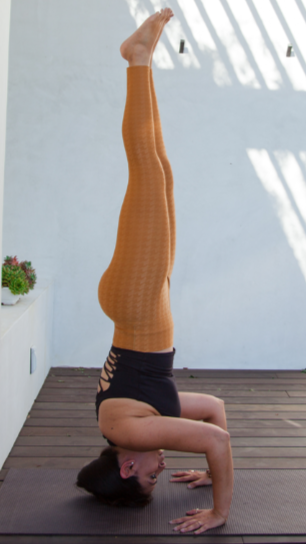
It’s Not About Looking Impressive. It’s About Transformation.
Headstand is not just a gymnastics trick, a performance, or an impressive shape for a photo. For thousands of years, yogis have practiced inversions for their profound physical, energetic, and spiritual benefits. They can hold the pose for up to fifteen minutes straight. Because by turning ourselves upside down, we temporarily reverse the effects of gravity, support lymphatic flow, and challenge our body’s balance, strength, and awareness.
The Pose That Forces You Into the Present Moment
Perhaps the greatest gift of headstand is presence. When you are upside down balancing on your head and forearms, there is no room to replay what she said, what he did, the argument you had yesterday, or the problems waiting for you tomorrow. The pose demands your complete undivided presence. It becomes a moving meditation, training your mind to return to the only place life ever truly exists: the present moment.
Strength, Alignment, and the Courage to Fall
A safe headstand requires much more than strength. It requires proper alignment, shoulder stability, core engagement, and most importantly, knowing how to fall. In fact, I would say 90% of learning headstand is learning how to fall safely, because once you remove the fear of falling, you can finally take the risks necessary to grow. That lesson extends far beyond the yoga mat.
Why Most Group Classes Are Not Enough
In a public class of 20 students, I simply do not have the time to safely guide every person through the process of learning a pose like this. This is why in Yoga Teacher Training, I break down over 100 poses in depth: how to enter them, how to exit them, how to transition into them, how to prepare the body, and how to practice them with intelligence and safety.
From My Teacher Training Manual: Complete Headstand Alignment
The detailed alignment instructions below are taken directly from the Yogi Maha Method Teacher Training Manual and are the same teachings I use to train and certify future yoga instructors. True mastery comes from understanding every detail of the pose, not simply getting upside down.
Headstand B | Sirsasana B sheer-shah-sah-nah
Starting Position
Begin in a tabletop position on the hands and knees.
Place the crown of your head on the mat
Hug the elbows in toward the ribcage and bend them into a 90-degree angle.
Proper Alignment
Hands: Plant the palms of your hands flat on the floor, with the fingertips pointing toward your face. Stack the wrists directly underneath the elbows, creating a tripod base with your head.
Shoulders: Draw your shoulder blades (trapezius muscles) away from your ears, keeping your neck long.
Arms: Hug the elbows in toward each other, keeping the elbows shoulder-distance apart. Keep the upper arms parallel with the earth. Stack the elbows directly above the wrists to create a 90-degree angle.
Torso: Hug the lower ribcage inward and pull the navel in, keeping a micro crunch in your core. Engage your abdominal muscles and lift the low pelvic floor, activating Uddiyana Bandha and Mula Bandha. Lengthen through your spine. Feel the elongation and openness in your torso.
Feet: Tuck your toes under and lift your hips up toward the sky. Walk your feet closer to your arms until the hips stack on top of the shoulders.
Hips: Lift your hips high, stacking them directly over your shoulders.
Legs: Float one leg up at a time, bringing both legs towards the sky. Stack the legs directly above the hips and shoulders. Straighten your legs and engage your quadriceps. Reach through the balls of your feet and spread your toes.
Modifications
Wall Support: Practice near a wall for added support and stability.
Shoulder Strength: Rest your knees on your elbows and bring the big toes together for a tripod position or keep your feet on the ground.
Contraindications and Risks
Specific Medical Needs: Contraindicated for students with a history of neck issues, shoulder pain, high blood pressure, heart disease, stroke, or acid reflux.
Go Beyond the Pose. Learn the Method Behind the Practice.
If you are ready to deepen your practice and understand yoga beyond the surface, join Yogi Maha Method’s 200 Hour Yoga Alliance Certified Teacher Training beginning July 18 in Venice, California. Whether your goal is to teach or simply transform your own practice, this training will give you the knowledge, confidence, and foundation to practice for a lifetime.